Outfield Day, Night and Weather Guide
Read the sky and listen to the rain before you move through the tall grass.
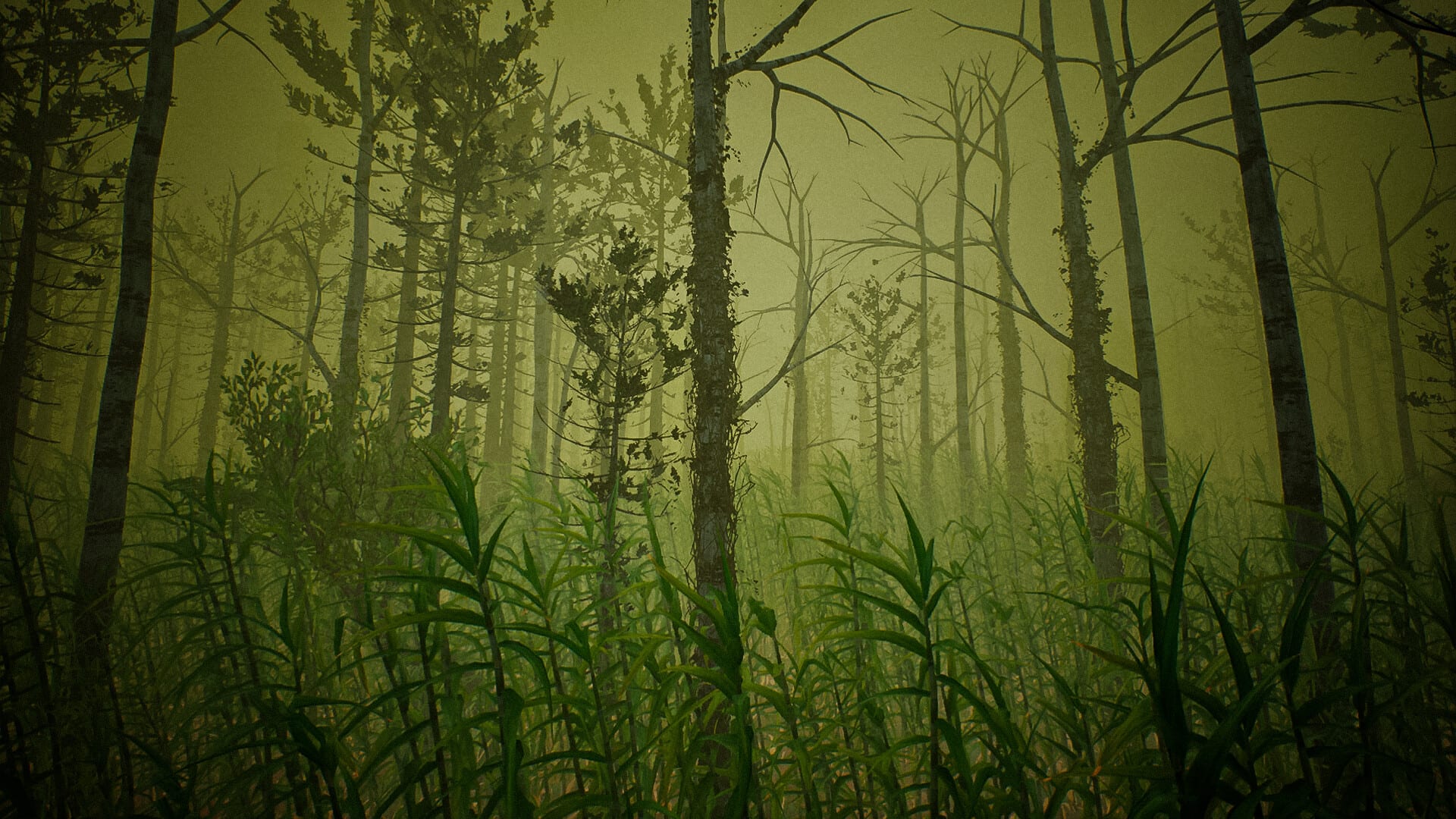
Outfield is not a static horror map. Every run rolls a procedural field with its own layout, obstacles, and atmosphere — and the day/night cycle plus dynamic weather rewrite how you move, shoot, and farm scarecrows. Mathis Debaussart built the roguelite around that variability: the enemy hears you rather than sees you, so conditions that change sound carry or visibility are as important as any upgrade pick.
This guide explains how to read those signals, plan routes around them, and avoid dying because you treated a rainy night like a sunny afternoon. Pair it with Stealth and Sound for audio fundamentals and Map Navigation for landmark routing.
Why time and weather matter
Three systems stack on every run:
- Daylight — wider sight lines through tall grass, but footsteps and gunfire still broadcast.
- Night — reduced vision forces closer navigation and slower scouting; you rely more on memory and audio cues.
- Weather — especially rain, which masks sound and lets you take slightly bolder movement or shots at a cost to orientation.
The hunter evolves as you survive longer, so a route that felt safe at dawn can feel suicidal after dusk if you have been dragging the predator toward your XP loop. Weather and time are not cosmetic — they change risk/reward on the same scarecrow cluster.
Day phase: vision without safety
During day, you can spot scarecrow silhouettes, fence lines, and open lanes earlier. That helps new players learning Getting Started basics: you see where not to sprint, and you can pre-aim before breaking a scarecrow.
Day does not make you stealthy. Dry grass under a clear sky still carries footstep noise. Popping scarecrows in daylight often means long sight lines for you and long sound cones for the enemy. Use day to:
- Scout the map edge and note choke points for later night legs.
- Chain scarecrows when you have upgrade tempo from Scarecrow and XP and a quiet approach path.
- Avoid complacency — if you hear pressure building, treat the next segment like night even under sun.
If you are under-leveled, day is when you should bias toward safe XP rather than rushing secrets from Secrets and Exploration.
Night phase: vision tax
Night reduces your vision. You lose the comfort of scanning the field at distance, which makes navigation errors more common. Players collide with obstacles, double back through noisy brush, or fire panic shots because they lost track of a scarecrow row.
Night rewards preparation:
- Memorize landmarks during day — broken fences, lone trees, elevation changes — so you do not wander.
- Shorten engagement ranges; one gun means every shot is a beacon. See Upgrades and Builds for ammo and handling picks that help night holds.
- Slow your route; sprinting at night often costs more in noise than it saves in time.
- Listen harder; with less to see, audio from the hunter matters more. Tune output using Audio Settings.
If a run extends deep into night while the enemy has sped up and grown aggressive, consider ending an XP chain early and repositioning via Map Navigation rather than finishing a risky line in the dark.
Rain and weather masking
Steam materials highlight rain masking sound. Wet fields absorb or scatter footfalls and gunshots differently than dry runs. Rain is your permission slip for controlled aggression — extra steps toward a scarecrow, a reload under cover, or a shot when you would otherwise freeze.
Rain is not a free win:
- Orientation suffers — audio cues you rely on from Stealth and Sound may blur.
- Visual contrast drops — night plus rain is the hardest combo for new players.
- Masking is partial — sustained noise still stacks; breaking three scarecrows in a row during a downpour can still pull the hunter.
Use rain windows to cross open ground or recover from a mistake, then return to disciplined pacing when the sky clears.
Combining cycle and weather on procedural maps
Because maps are procedural, you cannot memorize one perfect weather route. Instead, build habits:
| Condition | Priority |
|---|---|
| Clear day | Scout, plan loops, bank safe XP |
| Clear night | Short routes, landmarks, minimal shots |
| Rainy day | Push scarecrows with masked movement |
| Rainy night | Slow, loot-aware paths; avoid double risk |
Cross-reference Loot and Items if pickups cluster in areas that are deadly at night — sometimes it is better to mark a spot and return at dawn.
Syncing with XP and upgrades
Weather does not pause XP math. Destroying scarecrows still feeds milestones where you pick random upgrades. A rainy spell is often the best time to accelerate a level if your build from Upgrades and Builds needs a damage or ammo spike before the hunter’s next evolution phase.
Conversely, if night is coming and you are between upgrades, delay loud objectives until you have a mobility or sustain pick. The Tier List will rank those picks post-launch; until then, favor upgrades that help relocate after noise.
Long-run survival mindset
Players chasing records on Survive Longer treat the cycle as a clock. Early day is for economy; mid run weather is for tempo; late night is for survival skills, not greed. The enemy evolves over time, so each transition into night after a long day is effectively a difficulty spike.
When patches change cycle length or rain intensity, check Updates first — we revise this guide when verified values shift.
Pre-launch vs launch-day notes
Outfield releases July 29, 2026 on Windows via Steam with English and French support. Exact cycle timers and weather probabilities may differ between preview builds and launch. This page describes confirmed design intent from official materials; post-release, community timing data will feed Tools while this guide keeps strategy readable.
Quick checklist before you move
- Glance at sky and listen for rain — adjust noise budget.
- Know whether you are scouting (day) or executing (planned night loop).
- Confirm upgrade timing — do not start a loud chain naked between levels.
- Set audio so rain and hunter cues are both audible — see Controls and Keybinds if you need to adjust mid-run.
- Link back to Guides when a patch rewrites the meta.
Mastering day, night, and weather separates players who die to the map from players who die to their own impatience.
Frequently Asked Questions
Quick answers to the most common questions.
Does night make the Outfield enemy see you better?
Official descriptions emphasize that the predator tracks sound, not sight. Night primarily reduces your vision, not the enemy's hearing.
Does rain completely silence gunshots in Outfield?
No. Rain masks sound, which makes some actions safer, but sustained or repeated noise can still attract the hunter.
Should I farm scarecrows at night or during the day?
Day is usually safer for scouting and chaining XP when you can see routes. Night farming works when you have landmarks, upgrades, and a short, quiet loop planned.
Do weather and time change on every run?
Yes. Procedural maps roll different layouts, weather, and day/night conditions each run, so routes must adapt rather than rely on one memorized path.
Where do I tune audio for rain and hunter cues?
Use the in-game audio sliders and our Audio Settings guide under Controls. Good headphone balance helps you hear both masking rain and incoming pressure.
Will this guide update after launch patches?
Yes. When Updates documents changes to cycles or weather, we revise timing advice and cross-link the patch note here.